Posted on Leave a comment

ResMed Revolutionizes CPAP Therapy with First-of-its-Kind FDA Clearance for AI ‘Smart Comfort’ Technology

Date: December 8, 2025 | Topic: CPAP Technology / ResMed News / CPAPeuropa

In a major leap forward for personalized sleep medicine, ResMed (NYSE: RMD) announced today that it has secured FDA clearance for its innovative Smart Comfort feature. This marks a historic moment in the industry, as Smart Comfort becomes the first FDA-cleared medical device utilizing Artificial Intelligence (AI) to automate and personalize therapy comfort settings for patients with Obstructive Sleep Apnea (OSA).

For millions of sleep apnea patients worldwide, this development promises to solve one of the biggest hurdles in CPAP therapy: getting comfortable enough to stick with it.

What is ResMed Smart Comfort?

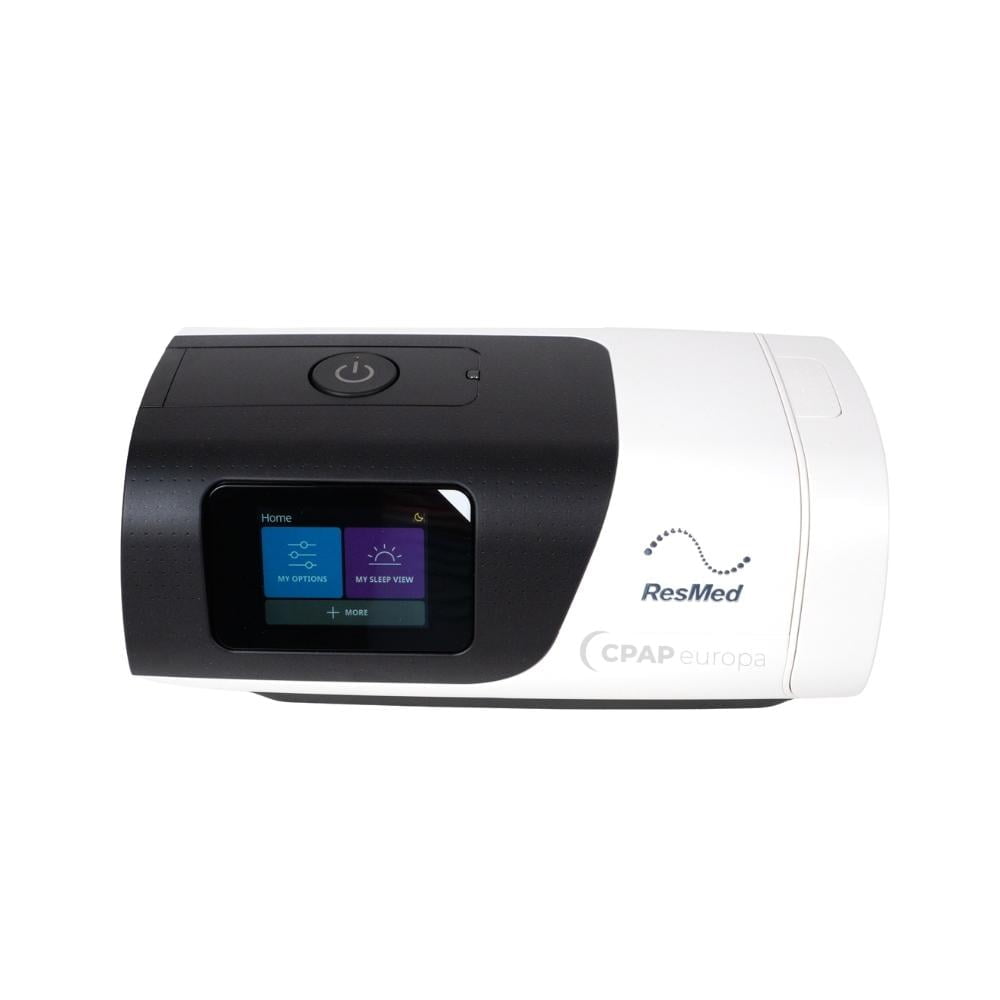
Smart Comfort is a sophisticated feature integrated into ResMed’s ecosystem, specifically targeting the AirSense 11 auto-adjusting series and the consumer-facing myAir™ application.

The primary goal of this AI-driven tool is to move away from the traditional “one-size-fits-all” approach to CPAP configuration. Instead of relying on static default settings, Smart Comfort analyzes a vast array of data points to recommend or automatically adjust settings to match the specific needs of the individual user.

How the AI Engine Works

ResMed’s proprietary machine-learning algorithms power Smart Comfort. The technology is built upon an incredibly deep dataset, drawing insights from over 100 million nights of de-identified real-world sleep data.

By analyzing demographic information—such as age and gender—alongside clinical metrics like the Apnea-Hypopnea Index (AHI), the AI creates a personalized comfort profile.

Specifically, the AI adjusts non-prescription comfort settings to ease the transition into therapy. These adjustments typically involve:

  • Ramp Time: Optimizing how gently the pressure increases as the user falls asleep.
  • Expiratory Pressure Relief (EPR): Reducing pressure precisely during exhalation to make breathing against the machine feel more natural.

Bridging the Gap in Therapy Adherence

It is a well-known fact in the sleep medicine community that long-term health outcomes depend on adherence. However, issues with mask fit, pressure intolerance, and general discomfort often lead new users to abandon therapy within the first few months.

ResMed supported its FDA submission with strong retrospective evidence gathered from users of the AirSense 10 and AirSense 11 devices. The data revealed a compelling correlation: users whose machine settings aligned with the AI’s Smart Comfort recommendations demonstrated significantly higher engagement and sustained adherence to their therapy compared to those remaining on factory default settings.

Importantly, the findings proved that enhancing comfort via these AI adjustments helps users sleep better without compromising the clinical efficacy of the prescribed air pressure.

A Win for Clinicians and Patients

While Smart Comfort empowers patients to feel more confident in their therapy, it also offers substantial benefits to healthcare providers and sleep clinics.

By automating the optimization of comfort settings, the technology reduces the need for manual troubleshooting and follow-up appointments dedicated solely to comfort tweaks. This streamlining allows clinicians to devote more time to complex decision-making and supporting high-risk patients.

“For people new to CPAP therapy, personalized comfort settings can help them adjust faster and more comfortably, improving confidence and overall health. Smart Comfort’s FDA clearance marks an important milestone for the future of personalized, data-driven care. It’s another example of how we’re using technology and real-world evidence to make sleep health more personal, accessible and effective.”

Justin Leong, Chief Product Officer at ResMed

What’s Next for ResMed Smart Comfort?

Following this FDA clearance, ResMed has outlined a phased rollout for the United States:

  • Early 2026: A limited beta release targeting new users of the AirSense 11 and myAir app.
  • Late 2026: A broader rollout to new users across the U.S.

While this announcement currently pertains to the US market, FDA clearance often paves the way for similar regulatory approvals in Europe and other global markets. At CPAPeuropa, we anticipate these features will eventually become standard for AirSense 11 users worldwide.

The Future of Sleep is Connected

This clearance underscores ResMed’s “digital revolution” strategy. By combining cloud-connected devices with AI, the company is transforming sleep health from a passive treatment into an active, personalized health ecosystem.

Stay tuned to CPAPeuropa.com for updates on when these new AI capabilities will become available for devices in Europe.

 

Posted on Leave a comment

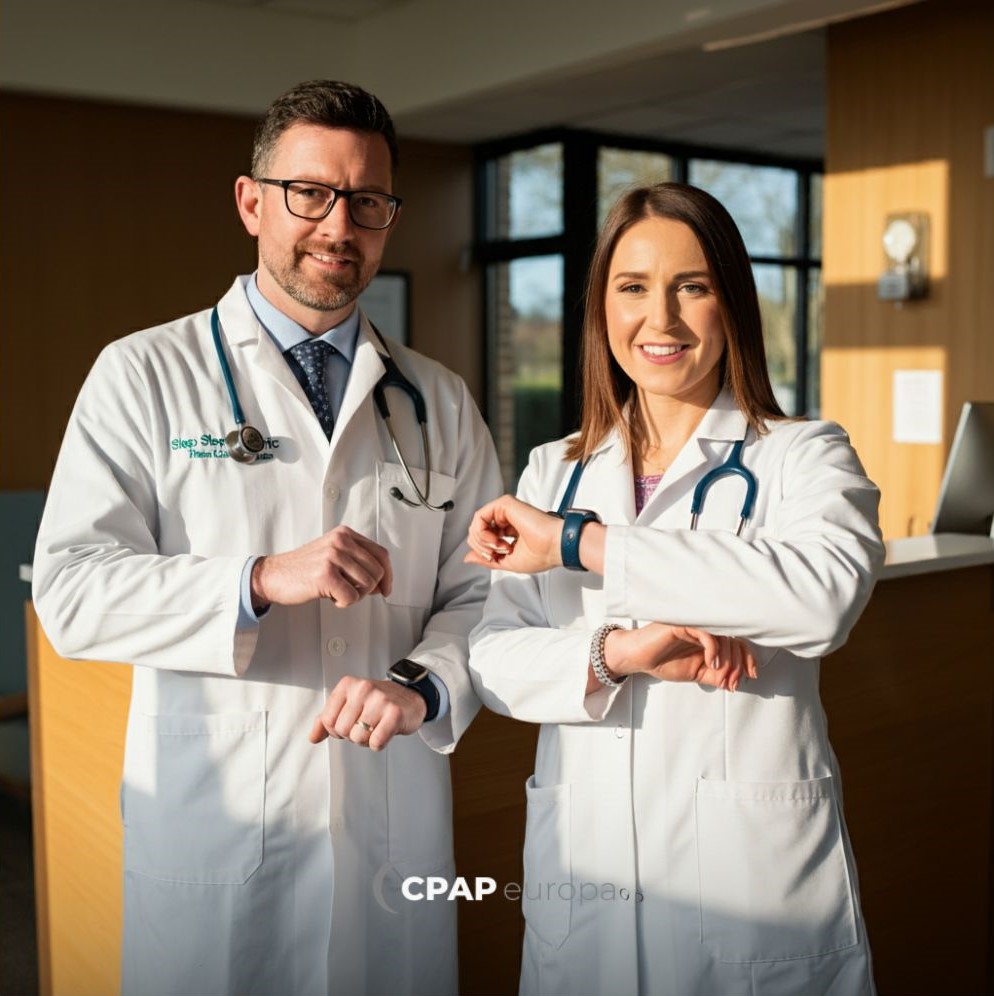
Apple Watch’s Sleep Apnea Feature: A Guide to Understanding the Alert

Apple Watch's Sleep Apnea Feature A Guide to Understanding the Alert


Apple Watch now offers a groundbreaking feature: sleep apnea detection. But what does an alert mean, and what steps should you take?


Understanding Sleep Apnea


Sleep apnea disrupts breathing during sleep when throat muscles relax excessively, causing the airway to collapse. This often leads to loud snoring, frequently unnoticed by the individual.


The condition is linked to serious health issues, including:


  • Cardiovascular problems: High blood pressure, stroke, heart attack, heart failure, and arrhythmias.
  • Cognitive decline: Increased risk of dementia.
  • Daytime impairment: Excessive sleepiness, fatigue, and increased risk of accidents.


Apple Watch Detection 


Available on Apple Watch Series 10 and some older models with a software update, the feature uses the watch’s accelerometer to sense wrist movements, indicating breathing patterns. If the watch detects frequent breathing interruptions over 30 days, it notifies the user.


Is it Accurate?


While Apple’s testing showed high accuracy, particularly for severe sleep apnea, it’s important to remember that:

  • The feature is opt-in: You must activate it for it to work.
  • It may not detect all cases: Mild to moderate apnea might be missed.
  • Orthosomnia: Over-reliance on sleep data can lead to anxiety and unhealthy behaviors.


What to Do if You Receive an Alert


If your Apple Watch alerts you to potential sleep apnea, it’s crucial to:

  • Consult a healthcare professional: Discuss the alert and any symptoms with your doctor or a sleep specialist.
  • Consider a sleep study: A formal sleep study can provide a definitive diagnosis and assess the severity of your condition.


Apple Watch's Sleep Apnea Feature A Guide to Understanding the Alert


What Are the Treatment Options?


If diagnosed with sleep apnea, treatment options include:

  • CPAP therapy: The gold standard, CPAP machines deliver continuous air pressure to keep the airway open during sleep.
  • Lifestyle changes: Weight loss and improved sleep hygiene can be beneficial, especially for mild cases.
  • Oral appliances: Devices worn during sleep to help maintain an open airway.
  • Surgery: In some cases, surgery may be necessary to correct anatomical issues contributing to sleep apnea.


CPAP Therapy and CPAPeuropa


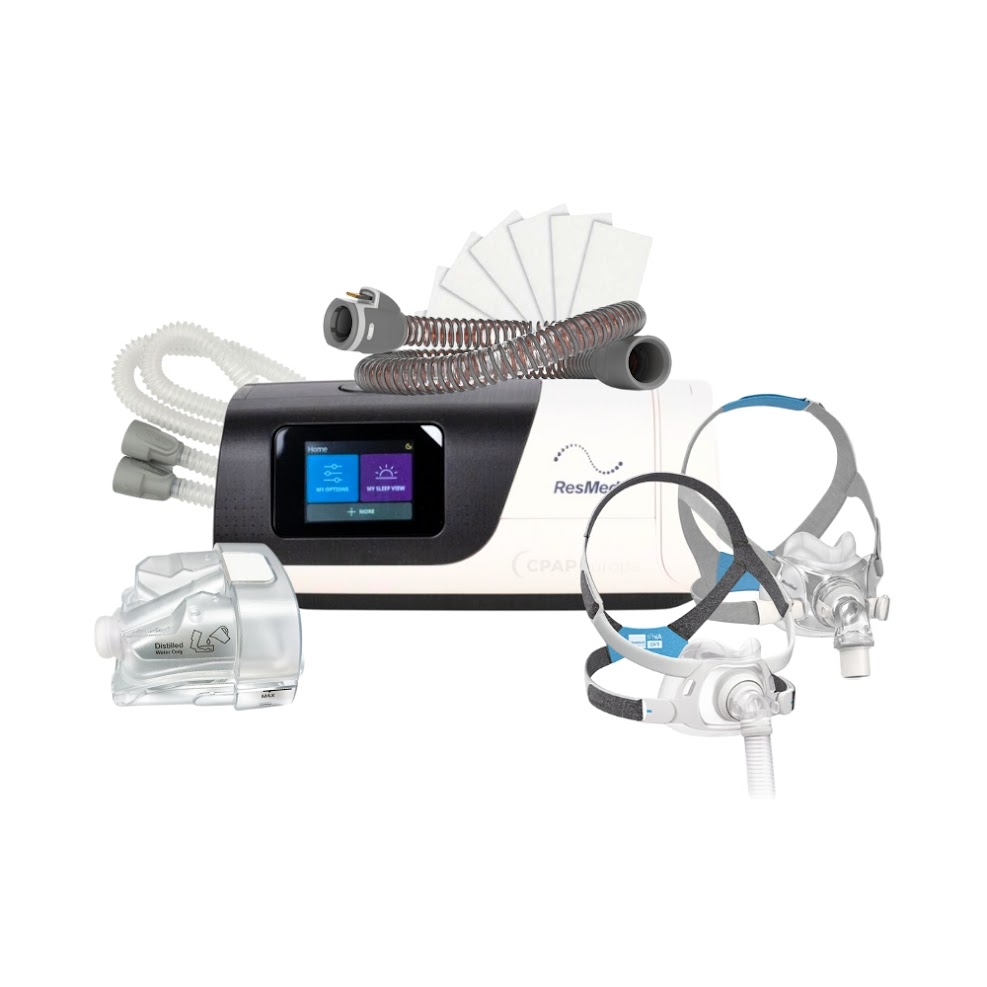
For individuals seeking sleep apnea treatment, CPAPeuropa offers a wide range of CPAP equipment, including the AirSense 11 CPAP machine with express shipping Europe. The AirSense 11 is a user-friendly and effective CPAP device that can significantly improve sleep quality and overall health for those with sleep apnea.


Remember: Early detection and treatment of sleep apnea are vital for protecting your health and well-being. If you suspect you may have sleep apnea, don’t hesitate to seek medical advice.


Airsense 11 CPAP Auto Machine - CPAP store Europa


SHOP THE NEWST CPAP MACHINES HERE


A Closer Look at the AirSense 11 CPAP


CPAP therapy is often the first line of treatment for moderate to severe sleep apnea. It involves wearing a mask connected to a machine that delivers a constant stream of air pressure,

 keeping your airway open throughout the night.

One leading CPAP machine is the ResMed AirSense 11. It offers a range of features designed to improve comfort and compliance:

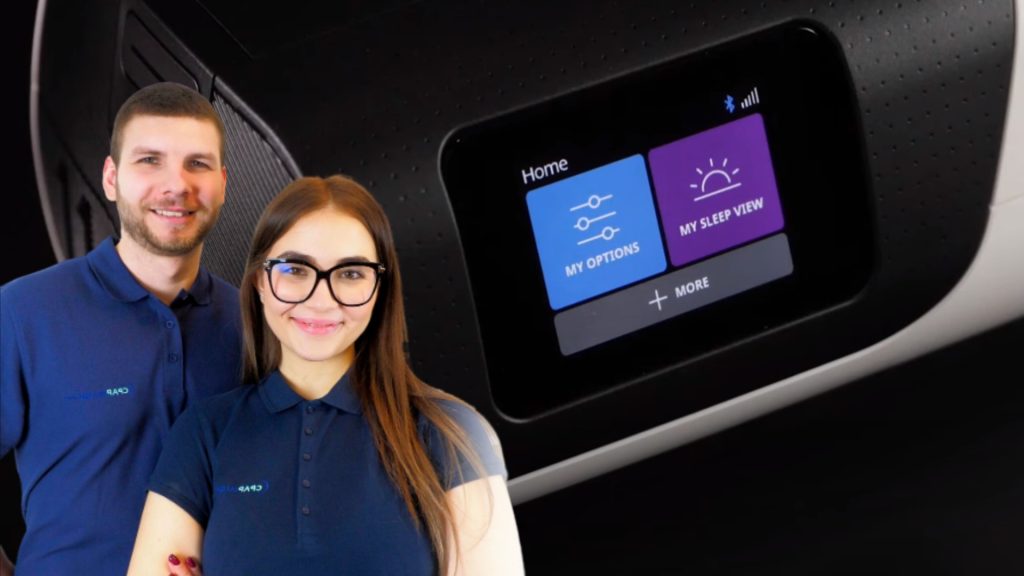
  • User-friendly interface: An intuitive touchscreen makes it easy to navigate settings and track your sleep data.
  • Quiet operation: Advanced humidification and quiet operation minimize noise disruption for you and your partner.
  • Integrated humidifier: Helps prevent dryness and congestion.
  • AutoRamp technology: Gently increases air pressure as you fall asleep, making it easier to adjust to therapy.
  • Connectivity: Connects to the myAir app, allowing you to monitor your progress and receive personalized support.


CPAPeuropa is a trusted provider of CPAP equipment, offering a wide selection of masks, machines, and accessories to meet your individual needs. With express shipping to Ireland, France, Sweden, Portugal, Spain, Norway, Belguim, Netherlands, and the rest of Europe.


Get the equipment you need quickly and conveniently!


How to read Resmed patient data and sleep report


Benefits of Choosing Us:


  • Extensive product range: Find the perfect CPAP machine, mask, and accessories to fit your therapy needs.
  • Competitive pricing: Get high-quality CPAP equipment at affordable prices.
  • Expert advice: Our team of sleep experts can help you choose the right equipment and provide ongoing support.
  • Fast and reliable shipping: Enjoy express shipping to everywhere in Europe and the rest of the world.


Take Control of Your Sleep Apnea


If you’re experiencing symptoms of sleep apnea or have received an alert from your Apple Watch, don’t ignore it. Take action to protect your health and improve your quality of life. Contact CPAPeuropa today to learn more about our products and services and find the best solutions for your sleep apnea needs.


Apple Watch's Sleep Apnea Feature A Guide to Understanding the Alert


Apple introduced the sleep apnea detection feature in September 2024 with the release of watchOS 11. It was initially available on Apple Watch Series 9 and Watch Ultra 2 models, with support extended to the Series 10 upon its launch.  


While Apple Watches offer a promising tool for sleep apnea detection, it’s important to understand their capabilities and limitations:


The watch uses its built-in accelerometer to track subtle wrist movements that may indicate breathing disturbances during sleep. This data is analyzed over 30 days, and the watch notifies the user if it detects patterns suggestive of moderate to severe sleep apnea. 


Apple’s clinical studies indicate the watch has a good sensitivity for detecting severe sleep apnea, correctly identifying it around 89% of the time. However, it’s less sensitive for moderate cases, with a detection rate of about 43%. 


The watch has a high specificity, meaning it rarely gives false positives. In Apple’s study, it correctly identified individuals without sleep apnea 100% of the time.


It’s important to note that the watch cannot definitively diagnose sleep apnea. It serves as a screening tool to identify potential cases, prompting users to seek further evaluation from a healthcare professional.  


Overall, Apple Watches can be a valuable tool for raising awareness of potential sleep apnea, especially for individuals who may not be aware of their symptoms or have limited access to sleep studies. However, they should not be considered a replacement for a formal diagnosis by a sleep specialist.  


If you’re experiencing symptoms of sleep apnea or have received an alert from your Apple Watch, don’t ignore it. Take action to protect your health and improve your quality of life. Contact CPAPeuropa today to learn more about our products and services and find the best solutions for your sleep apnea needs.