Free
Free  deliveries for all orders over €150!
A massive new study involving over 11 million people has uncovered a concerning link between Obstructive Sleep Apnea (OSA) and Parkinson’s disease. However, the research also offers a silver lining: consistent CPAP therapy may significantly reverse this risk.
Published recently in JAMA Neurology, the findings suggest that leaving sleep apnea untreated could nearly double the risk of developing Parkinson’s later in life, making the case for early diagnosis and treatment more critical than ever.
The Key Findings at a Glance
- Higher Risk: Patients with untreated Obstructive Sleep Apnea were found to have a 1.9-fold increased risk (nearly double) of developing Parkinson’s disease compared to those without OSA.
- The CPAP Solution: Patients who began CPAP treatment within two years of their apnea diagnosis reduced their risk of Parkinson’s by approximately 30%.
- The Scope: The study analyzed data from 11.3 million U.S. veterans over a 6-year period, making it one of the most comprehensive analyses of its kind.
The Connection Between Sleep and the Brain
Why does a breathing disorder affect a neurodegenerative condition? The researchers hypothesize that the link lies in oxygen deprivation.
When a person with OSA stops breathing repeatedly during the night, their oxygen levels drop (hypoxia). Over time, this chronic lack of oxygen places immense stress on the brain.
“If you stop breathing and oxygen is not at a normal level, your neurons are probably not functioning at a normal level either. Add that up night after night, year after year, and it may explain why fixing the problem by using CPAP may build in some resilience against neurodegenerative conditions.”
— Dr. Lee Neilson, Neurologist at OHSU & Lead Author
The study suggests that OSA and Parkinson’s share similar biological patterns. Patients with sleep apnea often exhibit elevated levels of specific proteins (alpha-synuclein) in their blood and reduced dopamine availability—markers that are also characteristic of Parkinson’s disease.
The “Rescue” Effect of CPAP Therapy
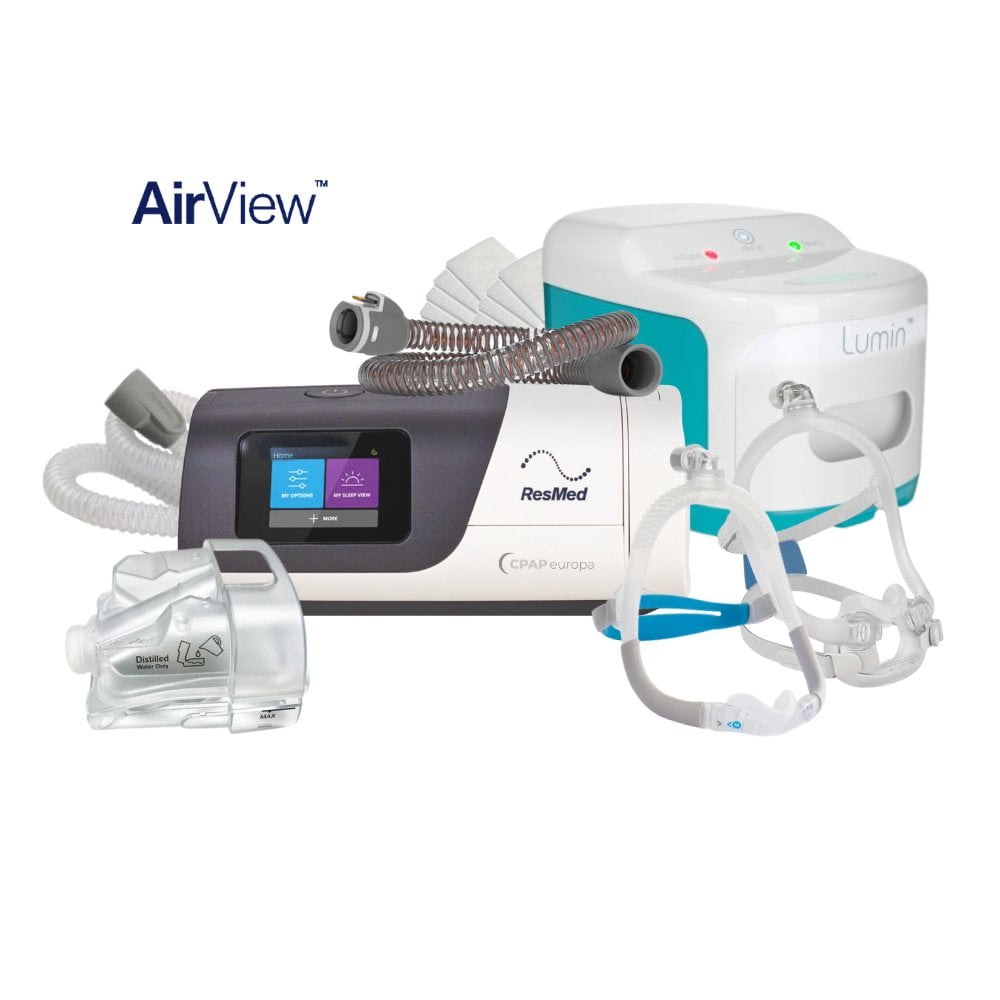
The most encouraging part of the study for current and future CPAP users is the protective effect of therapy.
The researchers found that proactive treatment matters. By restoring normal breathing patterns and ensuring the brain receives adequate oxygen during sleep, CPAP therapy appears to build “neuronal resilience.”
While having sleep apnea increases the statistical chance of developing Parkinson’s, co-author Dr. Gregory Scott noted, “It’s not at all a guarantee that you’re going to get Parkinson disease, but it significantly increases the chances.”
The data showed that for every 1,000 people, treating OSA with CPAP reduced the number of Parkinson’s cases from 9.10 down to 6.81—a clinically significant drop.
Why This Matters Now
Parkinson’s disease is currently the fastest-growing neurological disorder globally. Simultaneously, it is estimated that nearly 80% of people with Obstructive Sleep Apnea remain undiagnosed.
This study serves as a wake-up call: Snoring and daytime fatigue are not just annoyances; they are potential warning signs for long-term brain health.
The takeaway is clear: If you suspect you have sleep apnea, getting tested is the first step toward protecting your brain. If you are already on CPAP therapy, sticking with it is one of the best things you can do for your long-term neurological health.