


We tested every major CPAP, Travel CPAP and Auto-CPAP machine available in Europe. Here are our top picks, ranked and compared so you can sleep better — tonight.
Continuous positive airway pressure (CPAP) machines are the gold standard for treating sleep apnea, a condition where a person's breathing repeatedly stops and starts during sleep. These essential medical devices work by delivering a steady flow of air pressure through a mask to keep the airways open. With the rapid advancement of sleep technology, there are now more sophisticated options for CPAP therapy than ever before. In this article we countdown the four best CPAP machines for 2026, followed by the 3 best Travel CPAPs, Masks and Accessories — the ultimate, updated CPAP buyer's guide for 2026.
The Best CPAP Devices 2026
#4: Prisma SMART Auto
The Prisma SMART Auto CPAP Machine remains a high-tech, German-engineered option for those who value precision and durability in 2026. It automatically adjusts the pressure level to your breathing needs moment by moment, ensuring optimal pressure for effective therapy throughout the night. It also offers an integrated humidifier option for added comfort and to prevent dryness during therapy.

Standout features include robust connectivity — a built-in module that connects to the internet and cloud-based management platforms, with compatibility across professional platforms including GCE's PrismaAria, PrismaTS and PrismaCRM for real-time data and remote monitoring by your doctor. A clear, user-friendly display gives easy access to your therapy settings and sleep data, and the machine is incredibly quiet at just 26 decibels — excellent for light sleepers who want German reliability.
"My Prisma SMART is exactly what I needed. It feels very sturdy and German-engineered. I don't need fancy screens, just something that helps me breathe, and this delivers for me."
#3: AirSense 10 AutoSet C2C (Card-to-Cloud)
The AirSense 10 AutoSet C2C continues to be a highly sought-after ResMed machine, offering premium therapy at a more accessible price point in 2026. Like the standard AirSense 10 AutoSet, it automatically adjusts pressure to your unique breathing patterns. The "Card-to-Cloud" designation means it focuses on SD-card data transfer, while still integrating into data-management workflows.

While it bypasses the internal cellular modem to reduce costs and chip dependency, it remains fully compatible with AirView via SD-card uploads, letting healthcare providers monitor your progress. It retains all the comfort features of the classic model, including the built-in HumidAir humidifier and the quiet Easy-Breathe motor — a great choice for those who want ResMed's proven AutoSet technology without paying for wireless features they might not use.
#2: AirSense 10 AutoSet
The AirSense 10 AutoSet is the legendary CPAP machine that has defined the market for years. Even in 2026 it remains a top choice for its unmatched reliability, ease of use and advanced features. The AutoSet algorithm automatically adjusts pressure to your breathing, ensuring optimal, effective therapy every single night.

Why it's still a bestseller: an integrated HumidAir humidifier prevents dry mouth and congestion, with adjustable humidity to your preference; a built-in ambient light sensor dims the screen to the room so it won't disturb your partner; SmartStart lets you begin and end therapy simply by breathing into the mask; and an advanced algorithm detects events such as snoring or apneas and adjusts the pressure accordingly.
"I finally feel like myself again thanks to my AirSense 10. It is incredibly easy to use and so silent that it doesn't bother me at all. My health has improved so much!"
#1: ResMed AirSense 11 AutoSet
The ResMed AirSense 11 CPAP has solidified its position as the undisputed market leader in 2026. Building on the legacy of the AirSense 10, this premium machine boasts a sleek, modern design, a 4.3-inch colour touchscreen and an integrated heated humidifier. It's also remarkably quiet at 27 decibels — perfect for light sleepers.

Standout features include AutoRamp+, which detects when you fall asleep and gradually increases the pressure to your prescribed level for a comfortable, effective session; automatic humidity control that adapts to your environment and breathing; and built-in "For Her" algorithms offering tailored therapy for women. Integrated cellular and Bluetooth connectivity link seamlessly to ResMed's myAir platform, where you can track progress, receive personalised coaching and access troubleshooting tips on your phone. The AirSense 11 is the top-of-the-line option for those who want the latest and greatest CPAP technology for 2026.
"A total upgrade. The touchscreen is as intuitive as my phone, and the digital coaching really helped me through the first few weeks. Whisper-quiet, smart, and a 5-star experience!"

Best Portable CPAPs for 2026
#3: Transcend Auto CPAP
The Transcend Auto CPAP remains a top-rated device in 2026, offering efficient, reliable sleep therapy for people constantly on the move. Its rugged, compact and lightweight design — weighing only 0.63 kg — makes it easy to pack for camping or hiking and to store in a travel bag or carry-on.

This affordable travel CPAP is packed with useful features: automatic altitude adjustment delivers the appropriate air pressure regardless of elevation, ideal for high-altitude travel; a ramp feature starts pressure low and builds gradually; quiet operation under 30 decibels keeps you and your partner asleep; and EZEX pressure-relief technology reduces pressure on exhalation for added comfort. It ranks third behind the ResMed AirMini and BMC M1 Mini, but remains a great choice for those who prioritise comfort, quietness and advanced features in a compact design.
#2: BMC M1 Mini
If you want a portable CPAP that delivers exceptional performance and reliability at a competitive price, the BMC M1 Mini Automatic CPAP may be perfect for you. It's small, lightweight and incredibly easy to transport — a great choice for frequent travellers or anyone who needs a portable machine.

Despite its small size, the M1 Mini delivers powerful, effective therapy. Its advanced Auto-CPAP algorithm adjusts pressure to your breathing patterns for optimal therapy wherever you are, and it works with waterless humidification masks for added comfort without a water chamber. A Bluetooth connection to the BMC LightTrip app gives quick, easy access to your settings and data, and it runs at just 28 decibels — a great option for light sleepers.
"This little M1 Mini surprised me! I control everything from my phone! It's perfect for my camping trips — tiny, effective, and it didn't break my bank account. Love it!"
#1: ResMed AirMini
If you travel frequently, the ResMed AirMini Travel CPAP is still the unrivalled king of portable therapy in 2026. It's compact, lightweight and incredibly easy to pack and carry anywhere. Despite its size, the AirMini delivers powerful, effective therapy using the same algorithms as the bedside AirSense 10 and 11 — a great choice for continuing treatment on the go.

Standout features include the AutoSet algorithm that automatically adjusts pressure to your breathing; HumidX waterless humidification, which captures moisture from your exhale to humidify your inhale and eliminates the need for distilled water; and quiet operation at just 30 decibels. It's user-friendly, with a simple, intuitive app for adjusting settings over Bluetooth, and comes with a range of accessories — a travel bag, power cord and specific mask connectors — for easy setup wherever you are.
"I can't believe how tiny my AirMini is — it fits in my palm and works perfectly when I'm on the road. I was worried it'd be loud, but it's actually quite quiet. I'm so impressed."
The Best CPAP Accessories for 2026
While CPAP therapy can be life-changing for those with sleep apnea, it can also be uncomfortable without the right setup. Here are the best CPAP accessories, ranked from 10 to 1 by their importance for sleep apnea patients in 2026.

10.Hose Management Clips
CPAP therapy involves a hose delivering pressurised air to the mask, which can get in the way during sleep. These small clips attach to your bedsheet or pyjamas and hold the hose in place, preventing tangling or pulling. Not essential, but they make therapy more comfortable and can noticeably improve sleep quality.
9.Cleaning Wipes
Hygiene is crucial with CPAP therapy — the mask, hose and humidifier chamber can harbour bacteria and mould. Cleaning wipes are a convenient way to disinfect accessories daily, removing dirt and oil from the mask cushion and keeping equipment free of germs that can cause skin infections.
8.Nasal Gel
Some users experience nasal dryness or irritation from the continuous airflow. A moisturising nasal gel applied to the nostrils before wearing the mask soothes and hydrates the nasal passages, helping prevent dryness, congestion and irritation — especially in dry climates or winter.
7.Hose Cover
The hose can get cold overnight, causing "rainout" (condensation). A soft, fleece-like hose cover insulates the tube, preventing condensation, keeping the air warm and moist and reducing dryness or airway irritation.
6.Chinstrap
A chinstrap helps keep the mouth closed during sleep — particularly useful for mouth breathers using a nasal mask. By keeping the mouth closed it prevents air leaks and dry mouth, ensuring pressurised air is delivered effectively. A simple solution that can dramatically improve therapy.
5.Humidifier
A humidifier adds moisture to the air, preventing dryness and improving comfort, and can reduce congestion. Most modern machines (like the AirSense 11) include a built-in humidifier, but standalone units are available for older or travel devices that need extra moisture.
4.CPAP Pillow
A CPAP pillow is contoured with cutouts to accommodate the mask and hose, reducing facial pressure and air leaks — especially for side sleepers. It helps reduce mask shifting and keeps therapy effective throughout the night.
3.Mask Liners
Thin, soft fabric liners sit inside the mask as a barrier between silicone and skin, preventing irritation and redness. They also absorb moisture and facial oils, reducing build-up and bacterial growth. Available in different shapes and sizes to fit various mask models, and easily removed and replaced.
2.CPAP Battery
A battery is essential for frequent travellers or during power outages, letting the machine run unplugged for uninterrupted therapy on camping trips or in emergencies. CPAP batteries such as the Pilot-24 Lite come in different capacities and can provide several nights of power depending on the model and pressure settings.
1.CPAP Mask
The most important CPAP accessory is undoubtedly the mask. A well-fitting mask is crucial for effective therapy and comfort. Options include nasal masks, full-face masks and nasal pillow masks; the right choice depends on your preference, breathing patterns and facial structure. A properly fitting mask creates a secure seal around the nose and/or mouth, preventing leaks and ensuring air is delivered effectively.
★Bonus: CPAP Cleaner Device
The bestselling 3B Lumin CPAP Sanitizer remains a top choice in 2026, cleaning your mask in just 5 minutes by killing harmful bacteria and removing germs. Unlike ozone-based cleaners (which can void the manufacturer's warranty), the 3B Lumin uses UV light — delivering the same, and even better, results safely.
CPAP therapy can be life-changing for those with obstructive sleep apnea, but it can also be challenging without the right gear. While some accessories are optional — such as hose clips and cleaning wipes — others are essential, like the mask and a CPAP battery. Consult your healthcare provider and CPAP supplier to determine which accessories suit your needs in 2026.

How to Choose the Right CPAP Machine in 2026
CPAP therapy is a highly effective treatment for obstructive sleep apnea, delivering a constant flow of pressurised air through a mask to keep the airways open during sleep. Choosing the right machine can be overwhelming, so here is how to select one that meets your individual needs.

Get a Sleep Study
Before choosing a machine, get a sleep study to determine the severity of your sleep apnea — at a sleep centre or with a home sleep test kit. It measures breathing patterns, oxygen levels and sleep quality, and the results let your provider recommend the appropriate pressure level and therapy type (CPAP vs BiPAP).
Determine Your Budget
Machines range from a few hundred to several thousand euros depending on features. Your insurance may cover part of the cost, but you may still owe a copay or deductible. If paying out of pocket, factor in the long-term cost of ownership, including filters and masks.
Consider the Type of Machine
Types include fixed-pressure, auto-adjusting (APAP) and bi-level (BiPAP). Fixed-pressure machines deliver constant pressure; APAP adjusts to your breathing; BiPAP provides two pressures — one for inhalation and one for exhalation. The right type depends on your needs and your doctor's prescription.
Look for Essential Features
Prioritise a humidifier, a well-fitting mask and a user-friendly interface. The humidifier prevents dryness; the mask should seal securely around the nose and/or mouth; and the interface should clearly show pressure level, usage hours and mask leak/AHI data.
Consider Additional Features
Modern machines add comfort features like ramp-up settings that increase pressure gradually so you fall asleep comfortably, auto-off after inactivity, and advanced data tracking that feeds back to you and your provider via the cloud.
Check for Portability
If you travel often, look for lightweight, compact machines like the AirMini or BMC M1 Mini that pack easily; many come with a travel bag or case. Travelling abroad? Check voltage requirements and consider a converter or battery pack.
Check the Noise Level
Noise can matter for light sleepers or shared bedrooms. Look for a low decibel rating; machines under 30 dB (like the AirSense 11) are considered whisper-quiet and are ideal if you're sensitive to noise.
Choosing the right CPAP machine is crucial for effective, comfortable therapy. Consider your needs, budget and preferences; get a sleep study to determine the appropriate pressure; and look for essentials such as a humidifier, a well-fitting mask and a clear interface. Work closely with your healthcare provider and CPAP supplier — they can recommend suitable models, help with insurance, maintenance and repairs, and provide ongoing support. What works for one person may not work for another, so take your time, ask questions and choose the machine that fits you best.

The Best CPAP Masks by User Ratings in 2026
ResMed is a leading manufacturer of CPAP machines and masks, offering a wide range to suit different needs and preferences. When choosing a mask, consider comfort, fit and functionality. Here are some of the best ResMed CPAP masks for 2026.
1. ResMed AirFit N20 Nasal Mask

The AirFit N20 is a perennial favourite for those who prefer a traditional nasal mask. Its InfinitySeal cushion conforms to the contours of the face, reducing leaks and enhancing comfort, and magnetic headgear clips make it easy to put on and take off. It's compatible with a wide range of ResMed CPAP machines.
2. ResMed AirFit F20 Full Face Mask

For those who need a full-face mask, the F20 remains an excellent choice in 2026. It's available with a silicone AirFit cushion or a memory-foam AirTouch cushion; the foam option creates a secure seal around the nose and mouth while staying gentle on the skin. Adjustable headgear and magnetic clips make it easy to put on and remove.
3. ResMed AirFit F30i Full Face Mask

The F30i is a unique hybrid full-face mask with a top-of-head hose design that shifts bulk and weight away from the front of the face. Its soft silicone cushion sits under the nose (not over the bridge), preventing red marks and letting you wear glasses. A quick-release elbow makes it easy to disconnect from the tubing.
4. ResMed AirFit N30i Nasal Mask

The N30i features the same top-of-head hose design as the F30i. Its nasal cradle cushion sits under the nose for a secure, comfortable seal — great for active sleepers who toss and turn — and the curved cradle reduces pressure on the bridge of the nose, enhancing comfort significantly.
5. ResMed AirFit P10 Nasal Pillows Mask

For those who prefer a minimalist design, the P10 nasal pillows mask is an excellent option. Soft silicone pillows sit at the entrance of the nostrils for a secure, comfortable seal, and the minimal headgear reduces facial marks and makes it easy to wear glasses or watch TV. It remains one of the quietest masks available.
Choosing the right ResMed mask is crucial for effective therapy and comfort. Consider your needs, preferences and sleep habits. The AirFit N20, F20, F30i, N30i and P10 are among the best options for 2026, each offering a range of features to suit different needs. Work closely with your healthcare provider and CPAP supplier to find the right mask for you.

What Types of Sleep Apnea Machines Are There?
Sleep apnea affects millions of people worldwide, causing repeated pauses in breathing during sleep that lead to poor sleep quality, daytime fatigue and other health problems. Sleep apnea machines (CPAP machines) are a common treatment, and several types are available, each with its own features and benefits.
CPAP Machines
CPAP machines are the most common type. They deliver a continuous stream of pressurised air through a mask to keep the airway open during sleep. The pressure is constant throughout the night and set by a healthcare provider based on the severity of your apnea. CPAP is typically used for obstructive sleep apnea, the most common form.

APAP Machines
Auto-adjusting positive airway pressure (APAP) machines are similar to CPAP but automatically adjust pressure to your breathing patterns. They detect when the airway begins to close and increase pressure to prevent it, then reduce pressure once the airway is open to avoid discomfort. APAP is often used for variable sleep apnea or for those who struggle to tolerate constant pressure.

BPAP Machines
Bilevel positive airway pressure (BPAP) machines use two pressure settings: a higher pressure on inhalation to keep the airway open and a lower pressure on exhalation to reduce discomfort. BPAP is often used for patients who have difficulty exhaling against constant pressure, such as those with neuromuscular disease or obesity hypoventilation syndrome.

VPAP Machines
Variable positive airway pressure (VPAP) machines — also known as bi-level (BiPAP) machines — are similar to BPAP but with more advanced features. They can adjust pressure to your breathing patterns and provide different levels of pressure support on inhalation and exhalation. VPAP is often used for complex sleep apnea, a combination of obstructive and central sleep apnea.

Portable CPAP Devices
Portable CPAP devices are smaller, more compact versions designed for travel or situations where a traditional machine isn't practical, such as camping or hiking. They typically use a rechargeable battery and may have different features and settings. They can be used for all types of sleep apnea, though they may not be as effective as larger machines for more severe cases.

Sleep apnea machines are an effective treatment and come in several types to suit individual needs. CPAP delivers a constant stream of pressurised air; APAP adjusts pressure automatically to your breathing; BPAP uses two pressures for inhalation and exhalation; and VPAP offers advanced, adaptive pressure support. Your provider's recommendation and your prescription determine which is right for you.

Frequently Asked Questions About CPAP Machines in 2026
How does a CPAP machine work?
What are the benefits of using a CPAP machine?
Can I buy a CPAP machine without a prescription?
What types of CPAP machines are available?
How often should I replace my CPAP machine?
How do I clean my CPAP machine?
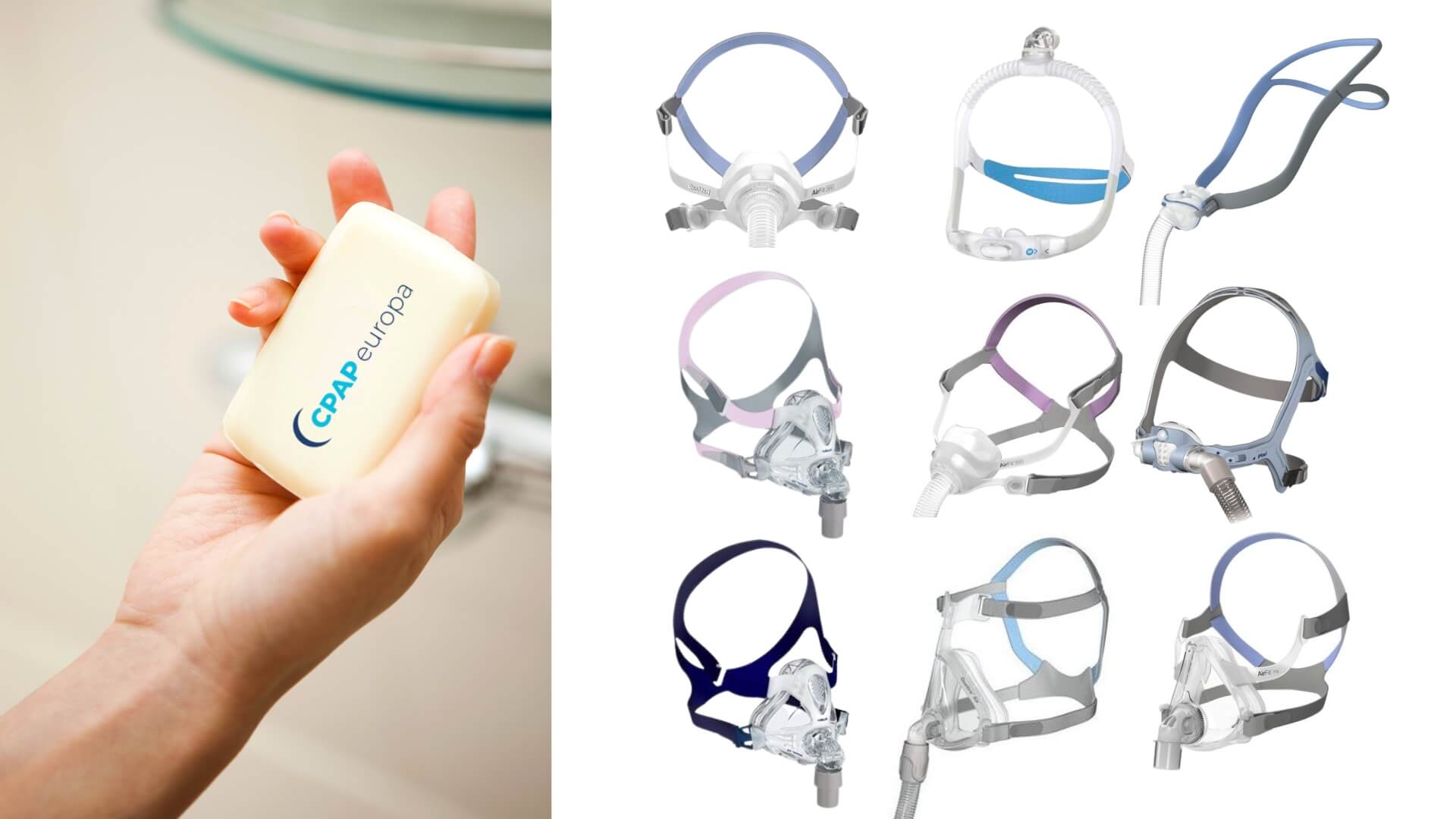
Read our extensive How to properly clean your CPAP mask guide here.
What are the side effects of using a CPAP machine?
Can a CPAP machine cure sleep apnea?
Choosing the right CPAP machine can make a significant difference in the effectiveness and comfort of your therapy. The ResMed AirSense 11, AirSense 10 AutoSet, AirSense 10 AutoSet C2C and Prisma SMART Auto are all excellent options for 2026, each with its own capabilities — so research and choose the one that best fits your needs. For travel, the ResMed AirMini is the best choice for its compact size, powerful performance and ease of use, while the BMC M1 Mini offers exceptional performance and reliability with waterless-humidification compatibility. Both are outstanding portable options.
Please note: Choosing a CPAP machine is a personal medical decision, and what works for one person may not work for another. CPAP machines are effective treatment options for sleep apnea, but you should consult your doctor or sleep specialist to determine which specific device and therapy mode is best for your individual needs and condition.


