


Picture this: You wake up in the morning feeling as though you didn’t sleep at all. Something just feels wrong. You know you snore, but loud snoring and chronic exhaustion can actually be the warning signs of a much more serious underlying issue. Today, we have mapped out the **top 10 signs of obstructive sleep apnea (OSA)** to help you recognize this debilitating sleep disorder and take action.
More Than Simple Snoring
It is easy to normalize snoring, but more than a quarter of adults regularly experience symptoms of Obstructive Sleep Apnea (OSA) without even realizing it. Apnea refers to the repetitive, temporary cessation of breathing while asleep, resulting in severe oxygen starvation and sleep fragmentation.
The Top 10 Signs of Obstructive Sleep Apnea (OSA)
If you experience one or more of these symptoms on a regular basis, it is highly recommended to consult a sleep specialist. Here are the most common signs you should look out for:
1. Loud, Chronic Snoring
While not every snorer has sleep apnea, the vast majority of OSA patients are exceptionally loud snorers. This occurs as relaxed throat tissues collapse and obstruct the upper airway, causing the characteristic vibrating sound.
2. Episodic Choking or Gasping
When breathing stops, your brain triggers a panic signal, forcing you to wake up briefly to gasp for air or choke. You may have no memory of these micro-arousals, but they happen repeatedly throughout the night.
3. Morning Headaches
Drops in blood oxygen cause the brain's blood vessels to dilate (widen) to increase blood flow. This expansion, combined with high CO2 levels, triggers a dull, throbbing headache upon waking.
4. Waking with a Dry Mouth
Heavy snoring and mouth-breathing quickly dry out oral tissues. This leads to sore throat, bad breath, and severe morning thirst. Approximately 1 in 3 untreated OSA patients suffer from dry mouth.
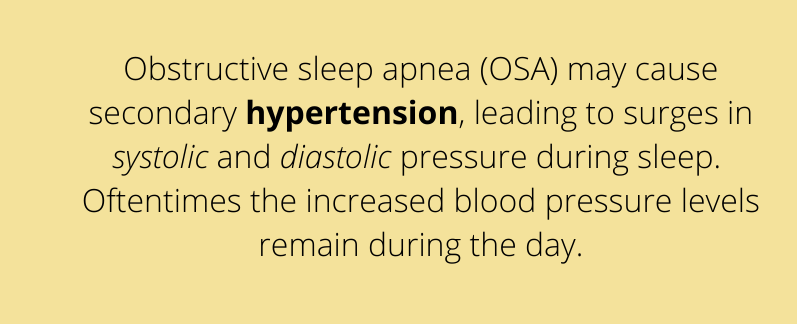
5. Increased Blood Pressure
Every time breathing halts, blood oxygen levels plummet, putting extreme stress on your cardiovascular system. This causes sudden spikes in blood pressure, leading to chronic hypertension.
6. Low Blood Oxygen Levels
Apnea episodes starve your tissues of oxygen. Over time, chronic nocturnal hypoxemia (low blood oxygen) weakens heart muscles and increases the risk of stroke and heart failure.
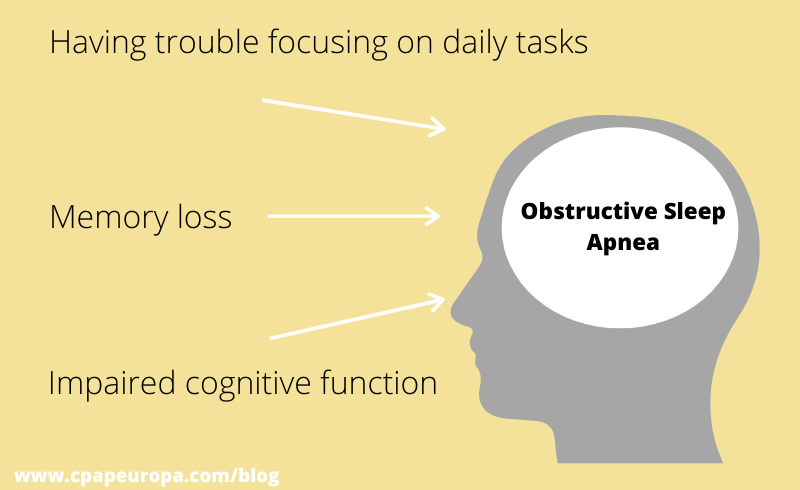
7. Trouble Concentrating
Brain oxygen deprivation impairs neurotransmitters like GABA (which keeps you calm/focused) and glutamate. The result is chronic daytime brain fog, forgetfulness, and lack of focus.
8. Daytime Sleepiness & Fatigue
Feeling exhausted after a "normal" 8-hour sleep is a classic indicator. Because your sleep cycle is constantly broken, your body never enters the restorative deep sleep stages needed for recovery.
9. Irritability & Mood Swings
Severe sleep fragmentation disrupts emotional regulation. The chemical imbalances in your brain (low GABA) make you prone to mood swings, anxiety, depression, and daytime irritability.
10. Constant Nighttime Awakenings
Repeatedly waking up to use the bathroom (nocturia) or tossing and turning is often caused by the body struggling to breathe under the pressure of airway obstructions.
The Scientific Link: Brain Chemistry & Cardiovascular Strain
Untreated obstructive sleep apnea does not just make you tired—it structurally alters your brain chemistry and strains your cardiovascular health. Independent neuro-imaging research shows that chronic oxygen deprivation alters critical neurotransmitter levels.
Specifically, OSA patients suffer from significantly lower levels of GABA (gamma-Aminobutyric acid)—the primary chemical responsible for maintaining a calm, focused mental state—and abnormally high levels of glutamate, which is linked to high stress levels, anxiety, and depression. This explains why mental fog and mood swings are so heavily tied to sleep apnea.
Hypertension and Nocturnal Hypoxemia
During an apnea episode, your heart rate slows down as oxygen levels drop. When you gasp for air, your sympathetic nervous system is suddenly activated, causing a rapid surge in blood pressure and heart rate. This repetitive cycle, occurring dozens of times per hour, permanently damages blood vessel walls, making sleep apnea one of the leading causes of drug-resistant hypertension.
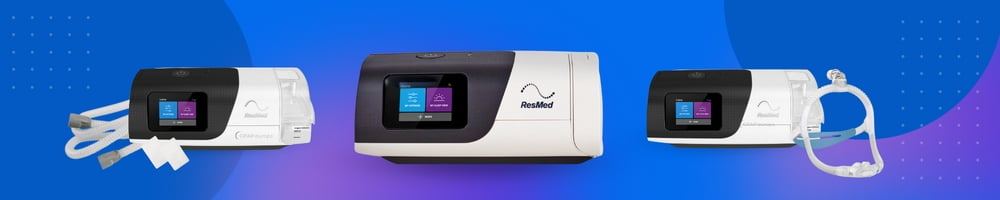
The Ultimate Solution: CPAP Therapy & AirSense 11
If you or your partner recognize these symptoms, do not tolerate them. Sleep apnea is a progressive condition, but it is highly treatable. The most effective, non-invasive treatment is CPAP (Continuous Positive Airway Pressure) therapy, which acts as a gentle, pneumatic splint to keep your airway open throughout the night.
Our Recommendation: ResMed AirSense 11 AutoSet
Market Leader 2026
The premium ResMed AirSense 11 AutoSet is designed to put an end to loud snoring, dry mouth, and gasping for air. By automatically adjusting the therapeutic pressure to your exact needs, it prevents obstructions before they occur, protecting your heart and ensuring a deep night of restorative sleep.
It features a modern full-color touchscreen, Bluetooth/cellular connectivity to the myAir app, and an integrated heated humidifier to completely eliminate morning dry mouth and sore throat.
“A total upgrade. The touchscreen is as intuitive as my phone, and the digital coaching really helped me through the first few weeks. Whisper-quiet, smart, and a 5-star experience!”
Frequently Asked Questions
Does snoring always mean I have sleep apnea?
No. While loud, persistent snoring is the most common symptom of Obstructive Sleep Apnea (OSA), some individuals snore without experiencing actual breathing cessation. However, if your snoring is accompanied by daytime fatigue, morning headaches, or choking sounds, you should be evaluated for OSA.
How does a CPAP humidifier prevent dry mouth?
Mouth-breathing and heavy snoring strip moisture from your oral tissues. A built-in heated humidifier (like the HumidAir system in the AirSense 11) adds controlled warmth and moisture to the pressurized air stream, keeping your nasal passages and throat fully hydrated throughout the night.
Can treating sleep apnea lower my blood pressure?
Yes, absolutely. Clinical research shows that consistent use of a CPAP machine reduces the cardiovascular stress caused by nightly oxygen drops. For many patients with OSA-induced hypertension, PAP therapy successfully lowers resting blood pressure and reduces long-term cardiac risks.
Is sleep apnea more common in men or women?
Sleep apnea is historically diagnosed more frequently in men, but it is highly prevalent in women as well, especially post-menopause. Women often present with atypical symptoms like insomnia, chronic fatigue, or anxiety rather than classic loud snoring, which is why algorithms like "AutoSet for Her" are highly beneficial.
Related articles:


